 Quick Pay


-

TVS Credit
-

Two Wheeler Loans
-

18 August, 2026
Buying your first bike is a thrill! But before you get carried away by that sleek design and roaring engine, it is crucial to understand the difference between its ex-showroom price and the on-road price. Many first-time buyers mistakenly believe the advertised price is the final cost, leading to budget surprises. In reality, extra expenses like taxes, registration, insurance, and dealer charges can significantly bump up the total amount you will pay. Let us break down the price of the bike so that you are fully informed before making that decision and setting a realistic budget for your new ride.
What is the ex-showroom price of a bike?
The ex-showroom price means the cost quoted by the manufacturer. This price does not include the registration fee for your vehicle with the Regional Transport Office (RTO), the insurance, and the road tax. The ex-showroom price is the cost that is finalised including the manufacturer and dealer. The components included in the ex-showroom price are as follows:
1. Manufacturer’s price: This is the base cost of producing the vehicle. It covers the cost of materials, labour, and other expenses incurred during the manufacturing. It forms the bulk of the ex-showroom price.
2. Goods and Services Tax (GST): A tax imposed by the government on the sale of goods. For bikes, the GST rate depends on the engine capacity. For instance, bikes with engines up to 350cc attract 18% GST, white those above 350cc attract 28% GST. This tax ensures the government earns revenue on each sale.
3. Dealer margins: This is the profit margin added by the dealer. It compensates the dealer for expenses like showroom maintenance, staff salaries, and other operational costs. The margin varies depending on the dealership’s location and size.
For example, if the ex-showroom price of a bike is ₹70,000*, this amount covers only the manufacturer’s charges, GST, and the dealer,s profit. It does not include any additional costs like registration fees or insurance.
What is the on-road price of a bike?
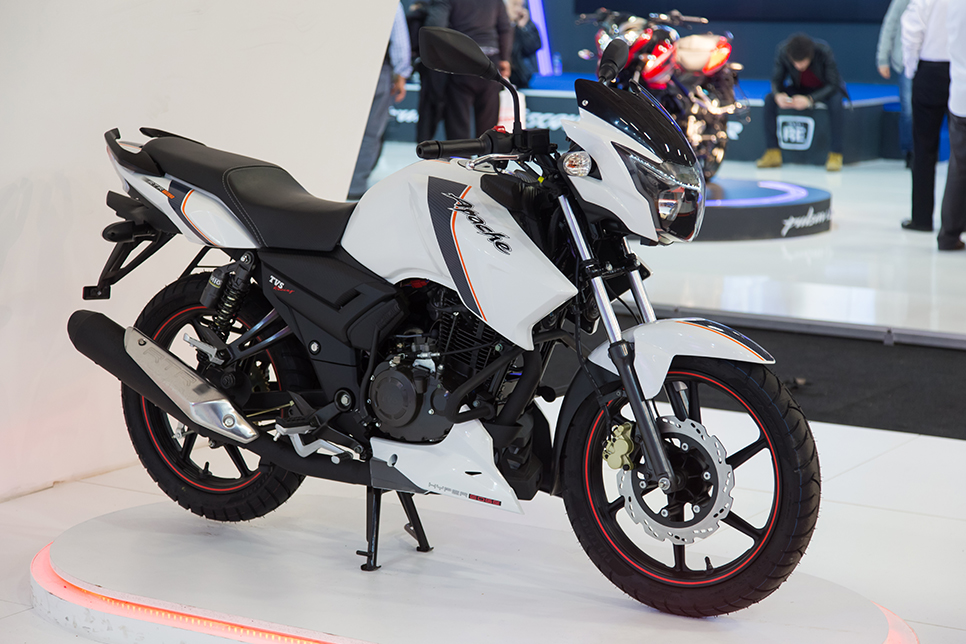
The on-road price means the cost you pay to take the bike on the road. The difference between on-road price and ex-showroom price is that the on-road price includes the ex-showroom price along with the RTO registration fee, insurance, road tax, and the optional additional costs. Let us understand what on-road price means in detail for you to make a decision while buying a bike:
1. Registration charges: These are fees paid to the Regional Transport Office (RTO) for registering the bike. Registration ensures your bike gets a unique number plate and is legally allowed to be on the road.
2. Road tax: A tax collected by the state government to maintain and develop public roads. This tax varies by state and is a one-time payment.
3. Insurance: A mandatory cost to protect against accidental damage. It is important to take your bike on the road. Without insurance, you might have to pay hefty penalties. You can also choose third-party or comprehensive insurance, with the latter offering wider coverage.
Additional charges include:
4. Green cess: Some states like Uttarakhand impose a green cess to promote environmental initiatives. It is an additional charge added to reduce pollution.
5. Extended warranty: An optional cost to extend the manufacturer’s warranty beyond the standard period. This provides additional protection offered against repair costs.
6. Annual maintenance package: A service package offered by dealers to cover regular maintenance costs. It ensures the bike remains in good condition.
7. Handling charges: Costs for transportation, storage, and preparation of the bike by the dealer before delivery.
Add-on charges as per your need include:
1. Essential accessories: Items like helmets, basic toolkits, and bike covers, which are often required for safe usage.
2. Extra accessories: Optional add-ons like seat covers, alloy wheels, or customised stickers to enhance the bike’s appearance or functionality.
Here is the basic formula for you to calculate the on-road price:
On-road price = Ex-showroom price + (Road tax%/100* ex-showroom price) + Registration fees + Insurance premium + Other additional charges (if any)
For example, If your bike costs Rs. 2,00,000 (it is the ex-showroom price). The road tax is 10%, the registration fee is Rs. 5,000, and the insurance premium is 3%, so your on-road price will be:
Ex-showroom price (2,00,000) + Road tax (10/100 * 2,00,000) + Registration fee (5,000) + Insurance premium (3/100 * 2,00,000)
2,00,000 + 20,000 + 5,000 + 6,000 = 2,31,000
Your estimated on-road price is Rs. 2,31,000
Why is understanding ex-showroom and on-road price of a bike important?
Understanding the difference between the ex-showroom price and the on-road price of a bike is important for making informed financial decisions. Many buyers mistakenly believe the ex-showroom price is the total cost, leading to budget miscalculations. The benefits of knowing both prices lead to:
1. Accurate budget planning: It helps you allocate the right amount for your bike, including all other expenses.
2. Avoiding financial burden: Knowing the on-road price of a bike prevents unexpected costs when finalising the purchase.
3. Smarter comparisons: It allows you to compare bikes across different dealers and cities effectively.
Smart tips for buyers while purchasing a bike:
1. Research dealer offers: Check for discounts, promotional packages, or bundle offers to reduce your overall cost. Such offers cut down the cost to some extent, providing you with a better financing opportunity.
2. Understand insurance options: Insurance is crucial when you buy vehicles. Check for various types, benefits and coverage for a smarter choice. Opt for comprehensive coverage for better coverage, but compare premiums as well..
3. Negotiate optional charges: Try to negotiate the handling charges, accessory costs, or extended warranty fees.
4. Verify state-specific taxes: Road tax and green cess may vary by state, so check the rates for your location.
5. Ask for a price breakdown: Request a detailed cost sheet from the dealer to understand every component of the on-road price.
By following these tips and understanding both prices, you can ensure a smoother and stress-free bike-buying experience.Understanding the ex-showroom price and on-road price helps you make an informed decision when purchasing your bike. If you’re ready to bring home your favourite bike without financial stress, explore our Two Wheeler Loan options and get started today!
FAQs
Why is the on-road price higher than the ex-showroom price?
The on-road price includes additional expenses such as road tax, insurance, registration fees, and handling charges, making it higher than the ex-showroom price.
Can the on-road price vary across cities?
Yes, the on-road price can differ based on state-specific road taxes, insurance rates, and dealer fees.
Is it possible to negotiate on the on-road price?
While taxes and registration fees are fixed, you can negotiate on dealer handling charges, insurance premiums, or optional add-ons.
What ex-showroom price means?
The ex-showroom price means the base cost of the bike, including GST and dealer margins, but excluding road tax, insurance, and registration.
DISCLAIMER: While we ensure the information, products and services we offer through our website and associate platforms are accurate, there may be unintended inaccuracies and/or typographical errors in the content. The information on this site and related websites is for general informational purpose and in case of any inconsistencies, the details mentioned in the product/service document will take precedence. Viewers and subscribers are encouraged to seek professional advice and go through the product/service documents to make an informed decision before availing of a product or service.
*Terms & Conditions Apply – wherever applicable
- Share It On


Categories
Popular Blogs


Get Hassle-free Loan for all Your Financial Needs

Download the TVS Credit App for Easy Loan Process


Calculate Your Two Wheeler Loan EMI
Two Wheeler Loans
Features & Benefits
Two Wheeler Loans
Eligibility & Documents
Related Articles
Two Wheeler Loans
-
TVS Credit
-
12 October, 2026
How to reduce your Two Wheeler Loan EMI: 7 Smart Tips to lower Bike Loan EMIs
Two Wheeler Loans
-
TVS Credit
-
12 October, 2026
Two Wheeler Loans
-
TVS Credit
-
18 August, 2026
New on TVS Credit
Two Wheeler Loans
-
TVS Credit
-
12 October, 2026
How to reduce your Two Wheeler Loan EMI: 7 Smart Tips to lower Bike Loan EMIs
Loan Against Property
-
TVS Credit
-
12 October, 2026
Tractor Loans
-
TVS Credit
-
12 October, 2026