 Quick Pay


-

TVS Credit
-

Used Commercial Vehicle Loans
-

8 October, 2026
For businesses, it is always better to opt for Used Commercial Vehicles since they save a large amount of cost. Used Commercial Vehicle Loans are very useful, helping businesses purchase vehicles without financial strain.
If you are planning to apply for a loan, here are key factors you must consider to ensure a smooth process and the best deal.
Understanding Used Commercial Vehicle Loans
What is a Used Commercial Vehicle Loan?
A Used Commercial Vehicle Loan is a financial product that helps individuals and businesses purchase pre-owned commercial vehicles. These loans allow buyers to purchase Used Commercial Vehicles by making monthly instalments instead of paying the full amount upfront.
How does it differ from a New Vehicle Loan?
While both new and used vehicle loans help buyers purchase Used Commercial Vehicles, there are key differences:
- Interest Rates: Used Commercial Vehicle Loans have higher rates due to depreciation, but NBFCs like TVS Credit provide affordable and competitive interest rates on Used Commercial Vehicle Loans.
- Loan Amount: The loan amount is lower than new vehicle loans since used vehicles have a lower market value.
- Loan Tenure: The loan period is typically shorter than new vehicle loans.
- Vehicle Valuation: Lenders assess the vehicle’s market price to determine the loan amount.
Benefits of opting for a loan for a Used Commercial Vehicle:
- Cost-effective and budget-friendly for business owners.
- Faster loan approvals.
- Used vehicles retain value better as major depreciation has occurred.
- Flexible repayment plans based on financial capacity.
- Accessible for first-time borrowers.
Factors to consider before applying
1. Vehicle Condition & Age
Here’s a quick reference table for quality standards a Used Commercial Vehicle should meet to be eligible for a loan:
| Quality Parameter | Acceptable Standard |
| Vehicle Age | Generally between 10 – 15 years (varies by lender) |
| Odometer Reading | Below 5 lakh km for heavy vehicles, lower for Light Commercial Vehicles |
| Service History | Regularly serviced with no major breakdowns |
| Accident Record | No major accidents; minor repairs acceptable |
| RC & Documentation | Must be valid and clear of legal disputes |
| Insurance Status | Comprehensive or third-party insurance is mandatory |
| Tyre & Engine Condition | Should be in good working order, no major replacements are required soon |
2. Loan Eligibility Criteria
Before applying for a Used Commercial Vehicle Loan, ensure you meet the following general eligibility criteria:
- Nationality: Indian
- Age: Between “18 to 65 years*”
- Business Stability: Minimum of 1 year in current business.
- Income Proof: Sufficient income to repay the loan, supported by bank statements or financial documents.
- Credit History: A good credit score enhances approval chances.
Meeting these criteria increases the likelihood of loan approval and may help secure better terms.
3. Interest Rates & Loan Terms
When applying for a Used Commercial Vehicle Loan, interest rates typically range from 10% to 24% per annum, depending on factors like credit profile, vehicle condition, and lender policies. Some institutions offer rates as low as 8% for high-credit applicants. Loan terms include a tenure of 1 to 5 years, affecting EMIs and total interest, with lenders financing up to 90% of the vehicle’s value. Additional costs like processing fees and prepayment penalties vary, making it crucial to review all terms before finalising the loan.
For instance, if you plan to purchase a used truck for ₹10 lakh. Two lenders offer different loan terms:
- Lender A: 12% interest, 4-year tenure, 80% financing
- Lender B: 14% interest, 5-year tenure, 90% financing
At first, Lender B seems better due to the lower down payment and longer repayment period. However, after calculating the total cost, you find out that Lender B’s higher interest rate results in paying significantly more over time. So, in conclusion, choosing Lender A helps save money in the long run while you pay off the loan earlier.
| Good to Know: Opting for a longer loan tenure on a Used Commercial Vehicle may lead to financial loss as the vehicle’s value depreciates over time. This could result in paying more than the vehicle’s worth by the end of the loan term. |
4. Down Payment & Loan-to-Value (LTV) Ratio
Most lenders finance a certain percentage of the vehicle’s value, and the borrower must pay the remaining amount as a down payment. The Loan-to-Value (LTV) ratio is the percentage of the cost that the lender will pay.
- Typical LTV Ratios: Lenders generally offer 70% to 90% financing of the vehicle’s value, depending on the age, condition, and borrower’s profile.
- Impact of LTV Ratio: A higher LTV means a lower down payment but may result in higher EMIs and interest costs. A lower LTV requires a larger down payment but reduces the total interest burden.
For Example: If a used truck costs ₹10 lakh and the lender offers an LTV of 80%, the loan amount would be ₹8 lakh, and the borrower must pay ₹2 lakh as a down payment. Choosing a lower LTV of 70% would mean a ₹7 lakh loan and a ₹3 lakh down payment, reducing total interest payments.
5. Documentation Required
Having proper Used Commercial Vehicle Loan documentation is very important for applying. If you are a salaried/self-employed professional, you will need the following documents:
| Type | Document |
| ID and Signature Proof | Copy of Voter’s ID/Driving Licence/Aadhaar Card/PAN Card/Passport |
| Age Proof | PAN Card |
| Address Proof | Copy of Passport/Electricity Bill |
| Income Proof | Copy of Income Document like Salary Slip/Form 16/ITR with Computation of Income |
| Asset Documents | Photocopy of Vehicle RC Book and Insurance Certificate |
| Other Documents | Bank Statement or Passbook |
Using the eligibility criteria, You can check the required documentation for a proprietorship and/or partnership firm and private and/or public limited companies.
Choosing the right Lender

Lenders include banks, Non-Banking Financial Companies (NBFCs), and other financial institutions. While choosing a lender, consider:
- Interest rates and repayment flexibility
- Customer service and online facilities
- Processing time and transparency
It’s always a good idea to check reviews and credibility before finalising a lender. TVS Credit Used Commercial Vehicle Loans offer tailored solutions with competitive rates and hassle-free processing.
Hidden Charges & Additional Costs
Always check for additional costs such as:
- Processing fees
- Prepayment penalties
- Late payment charges
- Insurance costs
Impact on Business Finances
Assess your business’s financial position before taking a loan. Calculate:
- Monthly EMI affordability
- Expected return on investment (ROI)
- Maintenance and operational costs of the vehicle
If the vehicle helps generate more income than the EMI, it is a financially viable option.
Tips for a smooth Loan approval process
- Maintain a good credit score to get better interest rates
- Negotiate for lower processing fees and better terms
- Provide accurate and complete documentation
- Consider expert financial advice before finalising the deal
Making the right choice for your Business Growth
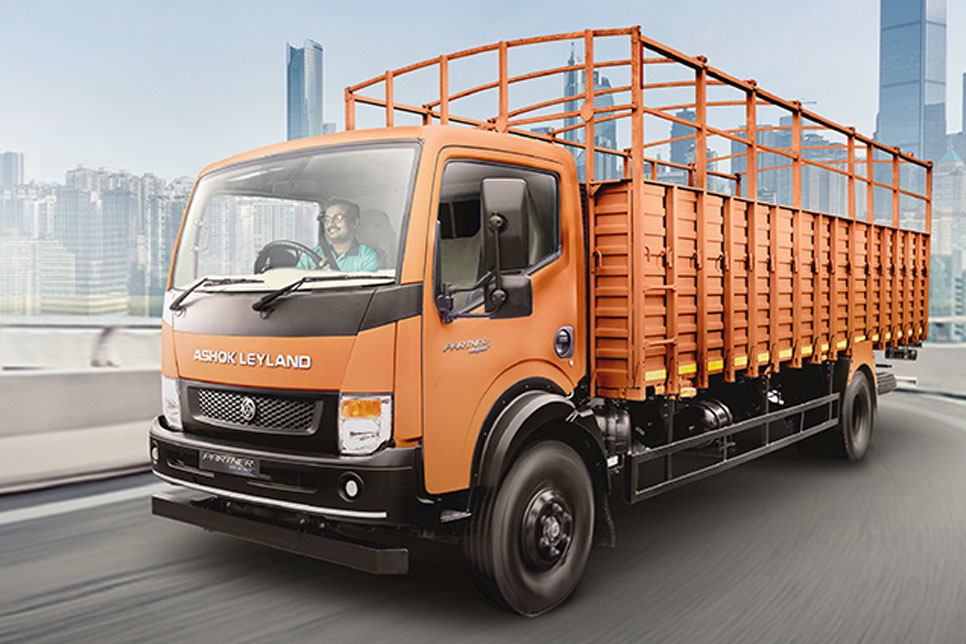
A Used Commercial Vehicle Loan is a great option for businesses looking to expand their fleet affordably. However, evaluating vehicle conditions, loan terms, eligibility, and hidden costs is important before applying. Make an informed decision by comparing different lenders and choosing the best option that suits your business needs.
If you are ready to take the next step, explore customised Used Commercial Vehicle Loans solutions for a seamless financing experience.
FAQs
1. How does the age of a used commercial vehicle affect loan approval?
TVS Credit funds used commercial vehicles that are between the age of 10 – 15 years.
2. Does the condition of a used commercial vehicle affect the loan amount?
Yes, the physical and mechanical condition of a used commercial vehicle directly affects the loan amount and valuation provided by TVS Credit.
3. How is the value of a used commercial vehicle assessed for a loan?
TVS Credit assesses the value of a used commercial vehicle by evaluating its age, physical and mechanical condition, documentation and market resale value.
4. How does the Loan-to-Value (LTV) ratio affect a Used Commercial Vehicle Loan?
A higher LTV means a lower down payment but may result in higher EMIs and interest costs. A lower LTV requires a larger down payment but reduces the total interest burden.
5. Can I get a Used Commercial Vehicle Loan if I am a first-time borrower?
Yes, with TVS Credit, you can easily get a used commercial vehicle loan as a first-time borrower.
DISCLAIMER: While we ensure the information, products and services we offer through our website and associate platforms are accurate, there may be unintended inaccuracies and/or typographical errors in the content. The information on this site and related websites is for general informational purpose and in case of any inconsistencies, the details mentioned in the product/service document will take precedence. Viewers and subscribers are encouraged to seek professional advice and go through the product/service documents to make an informed decision before availing of a product or service.
*Terms & Conditions Apply – wherever applicable
- Share It On


Categories
Popular Blogs
Get Hassle-free Loan for all Your Financial Needs

Download the TVS Credit App for Easy Loan Process


Calculate Your Used Commercial Vehicle Loan EMI
Related Articles

Used Commercial Vehicle Loans
-
TVS Credit
-
8 May, 2024

Used Commercial Vehicle Loans
-
TVS Credit
-
23 January, 2023

Used Commercial Vehicle Loans
-
TVS Credit
-
6 June, 2018
New on TVS Credit

Consumer Durable Loans
-
TVS Credit
-
8 October, 2026
How to Lower your Consumer Durable Loan EMI Without Affecting your Credit Score

Used Commercial Vehicle Loans
-
TVS Credit
-
8 October, 2026
Things to consider before applying for a Used Commercial Vehicle Loan

Two Wheeler Loans
-
TVS Credit
-
18 August, 2026
Difference between the ex-showroom and on-road price of a bike